




About Us
Discount Printed Carrier Bags is a specialist website from Polybags Ltd, the UK's number one manufacturer of polythene packaging, to highlight their provision of printed carrier bags at heavily discounted prices.
Polybags specialises in producing first class polythene products at competitive prices with high and low print-runs. Because Polybags is a manufacturer we can always offer direct wholesale prices cutting out the markup that other merchants have to apply. Orders placed with Discount Printed Carrier Bags are fulfilled directly by Polybags' first class service team with no commission or additional costs added.
Online shops want you to know this about personalised carrier bags
Custom carrier bags with a frosted stop do above soften the see of a package; they assist a product stand out without needing heavy printing or glossy effects. That semi-opaque surface gives merchandise a tidier outline on the shelf, while the film still requirements enough gauge and tensile strength to survive loading, stacking and repeated handling. Handle style matters as well, because a die-cut aperture and a strengthened patch spread the weight differently and can reduce tearing at the grip point. A superb specification retains seal quality, print clarity and pallet density in balance, which makes the bags practical as well as presentable.
Personalised carrier bags do above transport a purchase; they have to survive filling, handling, and the trip home without losing their shape or rubbing through at the handles. A bag that sees fine on screen can fail fast if the film gauge is also light or the print process weakens the material around the seams. For a retailer, the job is to balance appearance with practical strength, because a bag that splits in the car park leaves the gross impression and creates waste. Good specification means checking board insert, handle style, and seal quality against the kind of load the bag will in reality take.
White discount carrier bags work only when the film has enough give to cope with mixed shop loads without feeling flimsy. A gauge that is also light often fails first at the handle cut or along the gusset, where the load is pulled tight by sharp-edged cartons and other hard products. Too much pigment or filler can make the film stiff and awkward to open, which slows packing at the counter and sends the stress into the gross part of the bag. A sensible specification lets the bag stretch where it requirements to and retains serving speed proper. That balance is what retains daily shop use from turning into complaints.
Personalised carriers need to be built around handling performance, not only appearance, because a tidy print cannot compensate for weak film or unreliable sealing. When gauge stays consistent and the welds grasp properly, packs occupy quicker, resist seam splits and sit flatter in trays or on pallets. That matters in warehouse picking and shop-floor packing, where awkward bags slow the line and lead to damaged stock or bundles sticking together. A stable carrier also gives the print a better surface, so branding survives transport instead of rubbing off before it reaches the client. Specified well, it becomes practical secondary packaging rather than a loose decorative additional.
Printed Carrier Bags
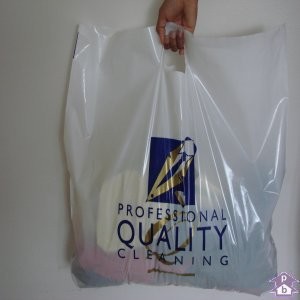
Printed carrier bags work optimal when the material specification matches the job, not only the artwork. Film gauge and polymer density shape how stiff the bag feels, how much load it can transport and how plenty fit into a carton, so a lighter micron count can still perform well if the blend is proper. Handle design and surface treatment matter also, because a bag that opens cleanly and takes ink properly is easier to use and less likely to smear or split in hand. Poor conversion leaves problems like blocked wickets, skewed stacking and awkward pallet loads. A bag that is properly engineered saves space, runs better on the shop floor and causes less headaches later.
Amendment of the Carriers? Liability Regulations 2002: normal
Carriers face direct financial exposure when concealed entrants are found in a load, and the penalty level now reflects that liability more clearly. The danger is not only legal paperwork; it is the practical disruption of a consignment, the delay at the gate, and the risk of an all vehicle being held while responsibility is sorted out. That makes load security, trailer checks, and sealing routines part of daily transport control rather than an afterthought. For operatours handling mixed freight or high-value export work, the job is to retain inspections tight and records in order, because a weak process can turn one inferior load into a costly claim.
Printed carriers have to do two jobs at once: transport products securely and present the emblem properly from the till to the home. If the material gauge is also low, handles can cut through, side seams can burst, and a simple purchase ends up being transferred into a larger sack, which wastes stock and sees careless at the point of sale. The better reply is a sensible match between film or board grade, handle design, and the weight of the products likely to proceed in the bag. That retains the carrier proper in the hand and reduces handling damage before the client has even left the shop.
Custom carriers matter when a client can only use nominated transport providers, because the packing and dispatch install has to match that restriction from the beginning. When those carriers are locked in, there is no sense in offering a big insurance or delivery selection that cannot be used, and the system should reflect that by hiding useless options. That retains the order record clean and reduces the risk of someone picking the gross route for a consignment. In practice, tight control like this saves time in the warehouse and avoids awkward corrections later, which is often better than offering flexibility that cannot in reality be exercised.
Discount carriers can disappear almost as fast as they appear because their model leaves small room for weak margins, high transport costs, or a inferior dash of returns. In packaging terms, that makes the supply chain nervous, since all new carrier has to demonstrate it can transport products without causing handling damage or delaying dispatch. Short-lived operatours also tend to push for lean secondary packing and tighter pallet loading, which may suit cost-effective freight rates nevertheless can create problems if the consignment requirements additional protection. A carrier that cannot grasp service levels soon loses trust, and that leaves shippers scrambling to rework schedules and stock rotation.
Printed Carrier Bags to Create Brand Awareness
Printed carrier bags rely on proper film gauge and clean converting above on the artwork alone. A sharp printed panel means small if the polythene suppliers varies in thickness, because weak spots display up first at the handles and seal line when the machine runs hot. High-density material can give better stiffness and tear resistance, nevertheless only if the surface treatment grasps ink properly and the melt stays consistent through production. That sort of control retains the bag looking tidy while still coping with proper shop-floor use. A carrier bag that smashs early turns printed packaging into waste, not emblem value.
Polybags huge range of products
Polybags has been providing customers with quality polythene packaging for over 50 years and they maintain that standard today with a huge range of products, including:

- Carrier bags
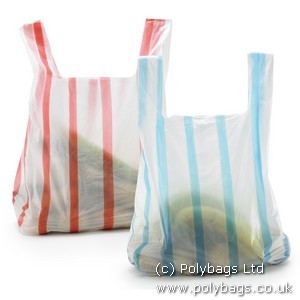
- Polybags stocks polythene, paper and biodegradable carriers in all shapes and sizes. With patch handle carriers, vest style carriers, varigauge carriers, fashion carriers and more, there is a carrier bag to suit any purpose and budget.

- Mailing and courier bags
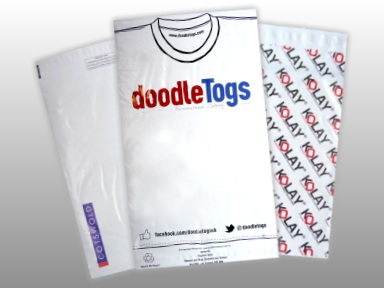
- Mailing bags are lightweight, strong and waterproof, making them perfect for regular post or courier deliveries. Order your own printed mailing bags with your own personalised design, or choose from a range of bags to suit your needs.

- Bubble packaging
- For air-cushioned protection for delicate or valuable items in storage or transit, Polybags' range of bubble wrap and bubble bags will have you covered. Available in a range of sheet widths and bag sizes to suit the product you need to protect, whilst bubble-lined or featherpost mailing bags are tailor-made for protecting items in the post.

- Eco-friendly bags
- Polybags stock a huge range of eco-friendly packaging to help you with a wide range of tasks whilst looking out for the environment. All designed in line with the latest research, you can choose from biodegradable carriers, mailers and clear bags, along with eco-friendly bin liners, specialist eco-packaging and more.

- Garment and laundry covers
- A range of garment bags and covers designed to protect clothes in storage or transit. Includes duvet and linen covers and dry cleaning bags, available in clear or pre-printed form to suit your product needs and budget.

- Grip seal or self seal bags
- Keep small to medium-sized items dry and sealed away from contamination with this range of grip seal bags. Just squeeze the plastic seal to shut these bags, available in clear or coloured polythene.

- Polythene tubing and sheeting
- When you need to wrap items of all different sizes and shapes, then polythene bags aren't ideal for the job. Instead, use polythene sheeting or layflat tubing to use just the right amount of polythene to cover your product and then seal.

- Vacuum bags
- Extend the shelf life of food by to five times with vacuum bags - a favourite of the catering industry and ideal for a range of fresh produce, from meat to fish and cooked to dried foods. Compatible with all major chamber vacuum sealers.

- Presentation bags and retail bags
- Crystal clear display bags made from high clarity polypropylene film really help retailers and manufacturers to show off their products. Add a touch of sparkle to your displays!

- Produce and paper bags
- A firm favourite with food retailers across the country, Polybags' range of produce and paper bags includes paper bags, shop counter polythene sheets, ultra-high density film bags and take away carriers.

- Waste bags and sacks
- Polybags caters for waste disposal needs in the home, office, garden, building site with this huge range of bin bags and sacks. Includes clinical waste, asbestos and other specialist waste sacks.

- Packing bags
- If you need to pack items away and want to offer them some protection then look no further than Polybags' extensive range of packing bags. From tiny electronic components to large pieces of furniture, this range of polythene packaging has the size, shape and thickness you need to protect your items in storage or transit.

- Bespoke packaging
- Any retailer looking to make an instant and lasting impression with customers should order bespoke packaging containing your very own design, including company name, logo, colour scheme or advertising slogan. Printed carrier bags and printed mailing bags are Polybags' most popular bespoke ranges, but other products can be personalised to suit your needs.